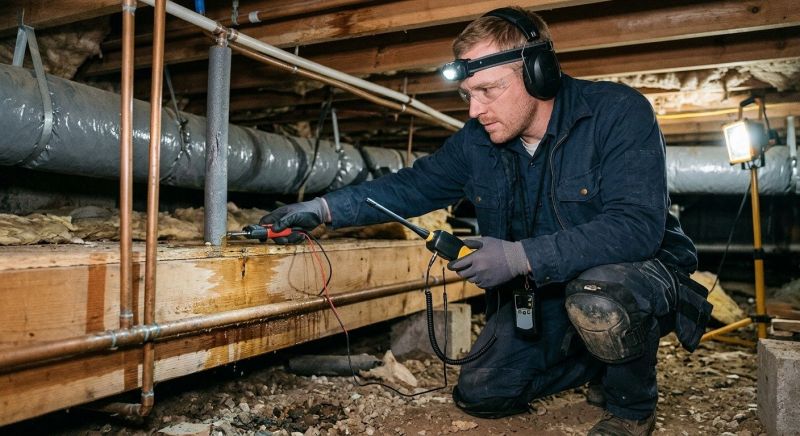
Pipe Leak Detection in Denver, CO
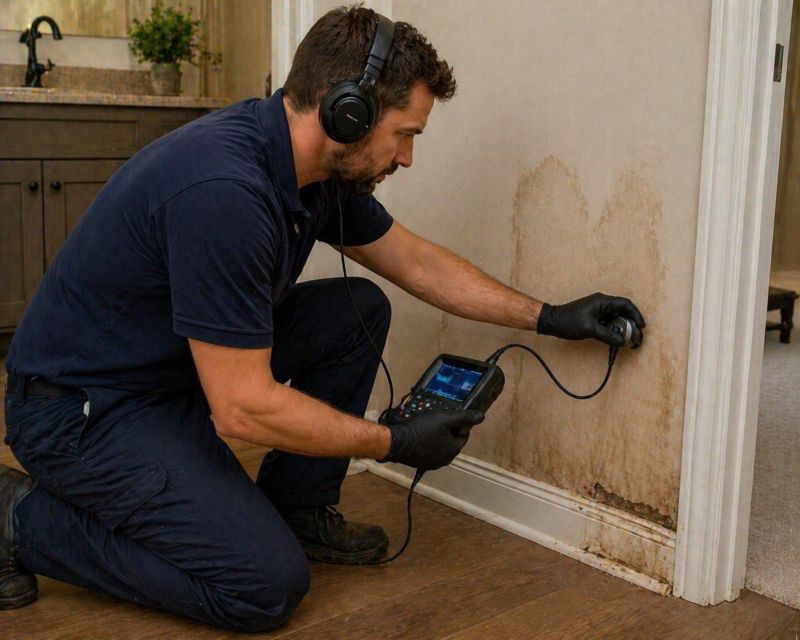
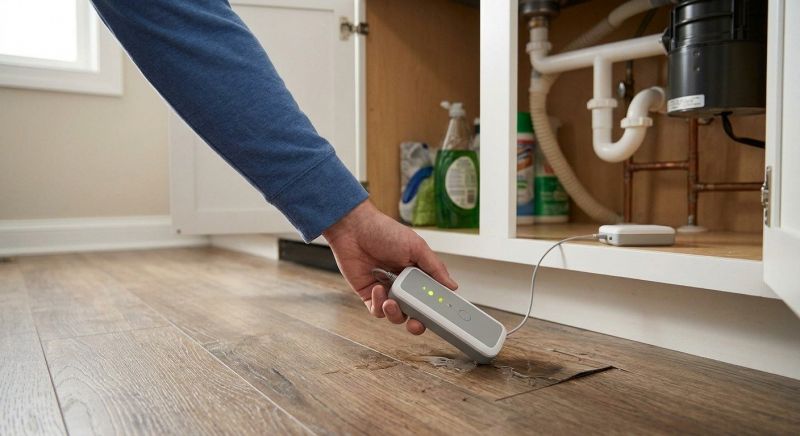
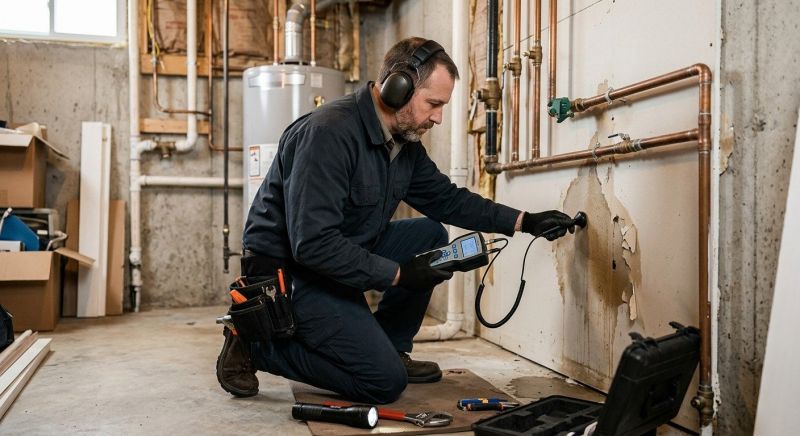
Pipe leak detection services are designed to identify hidden leaks within plumbing systems, often before they cause significant damage or noticeable water loss. These services typically involve the use of specialized equipment such as electronic leak detectors, thermal imaging, or acoustic sensors to locate leaks in pipes hidden behind walls, beneath floors, or underground. Projects commonly include residential plumbing inspections, detection of leaks in water supply lines, or locating issues within irrigation systems. Property owners usually want to understand whether a suspected leak is inside the walls or beneath the foundation, especially if there are signs like unexplained increases in water bills, damp spots, or mold growth.
Before requesting pipe leak detection, homeowners should consider what areas of the property are affected and any specific concerns about water damage or mold. It’s helpful to have information about recent plumbing repairs or renovations that might have impacted the pipes. Property owners often seek clarity on the scope of the inspection, the methods used, and what steps are recommended once a leak is located. Accurate detection can prevent unnecessary destruction of walls or floors and help plan effective repairs, making it an essential step in resolving plumbing issues efficiently.
Many property owners in Denver, CO look into Pipe Leak Detection for repairs, replacements, upgrades, and appearance-related improvements.
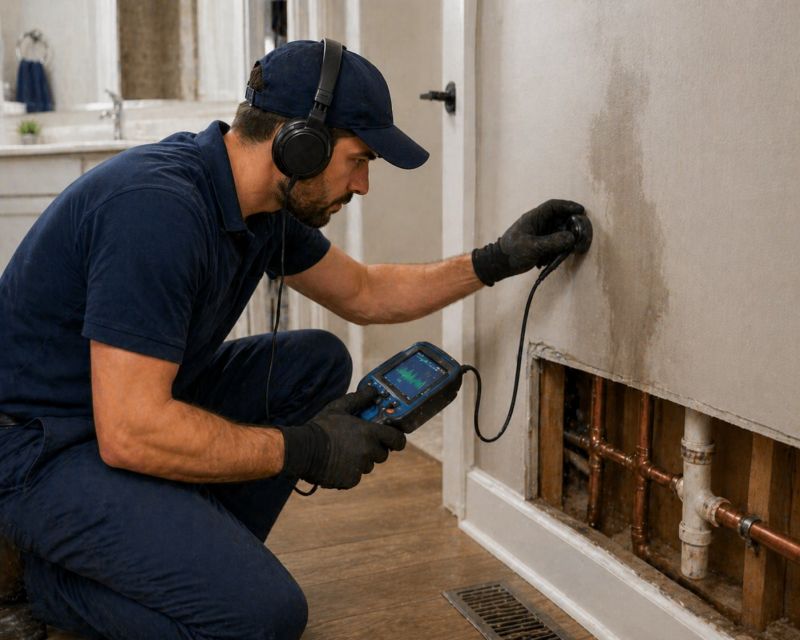
Identifying Hidden Leaks
Advanced detection methods reveal leaks that are not visible on the surface.
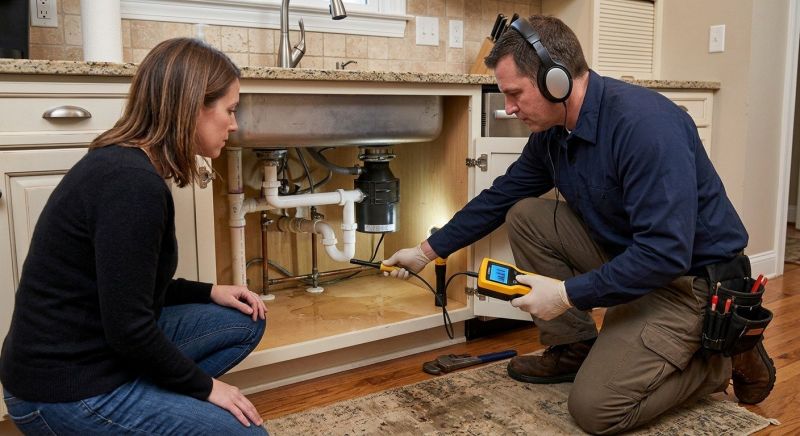
Preventing Water Damage
Early detection helps avoid costly repairs caused by undetected pipe leaks.
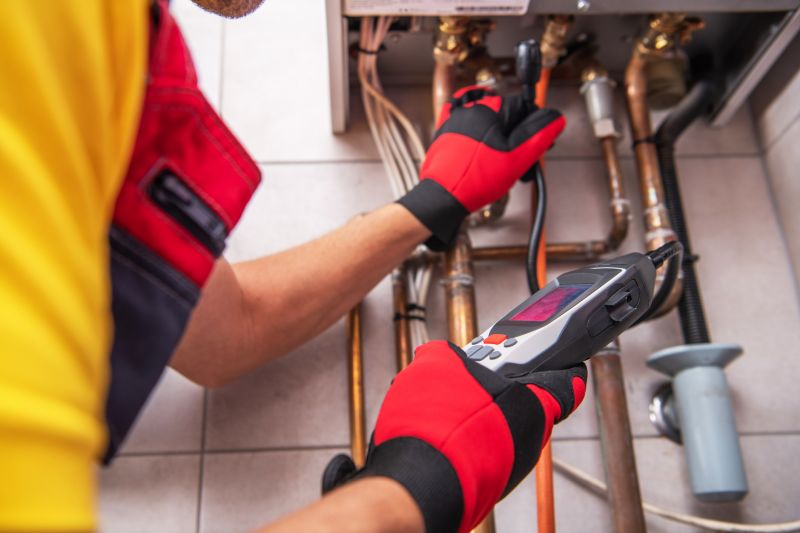
Specialized Detection Equipment
Using the latest technology ensures accurate locating of leaks in residential and commercial properties in denver, co.
Pipe Leak Detection in Denver, CO

Pipe leak detection services are designed to identify hidden leaks within plumbing systems, often before they cause significant damage or noticeable water loss. These services typically involve the use of specialized equipment such as electronic leak detectors, thermal imaging, or acoustic sensors to locate leaks in pipes hidden behind walls, beneath floors, or underground. Projects commonly include residential plumbing inspections, detection of leaks in water supply lines, or locating issues within irrigation systems. Property owners usually want to understand whether a suspected leak is inside the walls or beneath the foundation, especially if there are signs like unexplained increases in water bills, damp spots, or mold growth.
Before requesting pipe leak detection, homeowners should consider what areas of the property are affected and any specific concerns about water damage or mold. It’s helpful to have information about recent plumbing repairs or renovations that might have impacted the pipes. Property owners often seek clarity on the scope of the inspection, the methods used, and what steps are recommended once a leak is located. Accurate detection can prevent unnecessary destruction of walls or floors and help plan effective repairs, making it an essential step in resolving plumbing issues efficiently.
Many property owners in Denver, CO look into Pipe Leak Detection for repairs, replacements, upgrades, and appearance-related improvements.
Common Pipe Leak Detection Jobs
Residential plumbing inspections - detect hidden leaks in pipes before they cause damage.
Underground pipe assessments - locate leaks in buried water and sewer lines.
Slab leak detection - identify leaks beneath concrete floors to prevent structural issues.
Leak pinpointing services - find the exact source of leaks for targeted repairs.
Pipe condition evaluations - assess pipe integrity and identify potential failure points.
Emergency leak detection - quickly locate leaks to minimize water damage and waste.
Pipe Leak Detection Questions
How can I tell if I have a pipe leak? Signs include unexplained increases in water bills, damp spots on walls or floors, and the sound of running water when fixtures are off.
What areas are typically checked during leak detection? Common areas include underground pipes, behind walls, under floors, and in crawl spaces where leaks are often hidden.
Will leak detection require property damage? No, non-invasive methods are used to locate leaks without damaging walls, floors, or landscaping.
What types of leaks can be detected? Both visible leaks and hidden leaks within plumbing systems can be identified using specialized equipment.
Request Pipe Leak Detection in Denver, CO
Use the quote form on this page to share the basics of your project and request more information for the type of work you need.